
August 2026
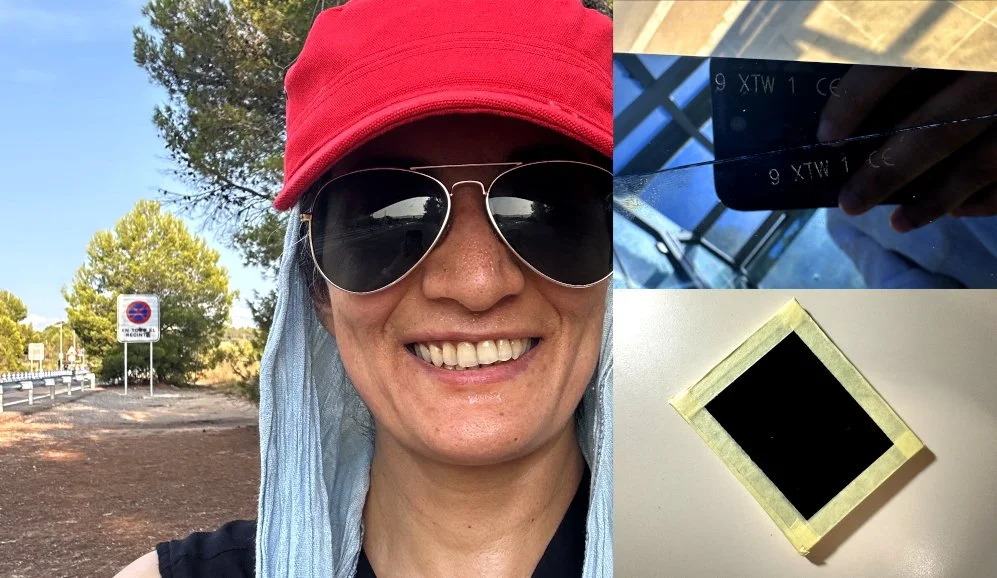
One Monday morning, I was having breakfast while watching the news when they ran a report on the eclipse. Twenty minutes later, I had tickets to Spain for Wednesday. It was such a whimsical move, it worried me a little. Nevertheless, I enjoyed the thing enormously.
Two pieces of advice, if I may:
During totality, spare a few seconds to look around instead of staring at the sun. The translucent darkness, with people frozen and staring up, has an eerie, apocalyptic quality, which is a shame-to-miss.
Don’t be idiots. If you insist, be one next to your kind.
I was watching the eclipse from a quiet, remote, and bushy patch of shoulder near the Camp de Tarragona train station, and still a group of idiots showed up, popped champagne, started dancing, playing shitty music loudly, screamed throughout totality, and finished with a group hug, as if they had accomplished anything but ruining a beautiful experience for others. I needed to put on noise-canceling headphones the whole time.
What is wrong with you people? For that level of tackiness, they inveted the beach, and there is a long stretch of it available right there in Tarragona.
July 2026
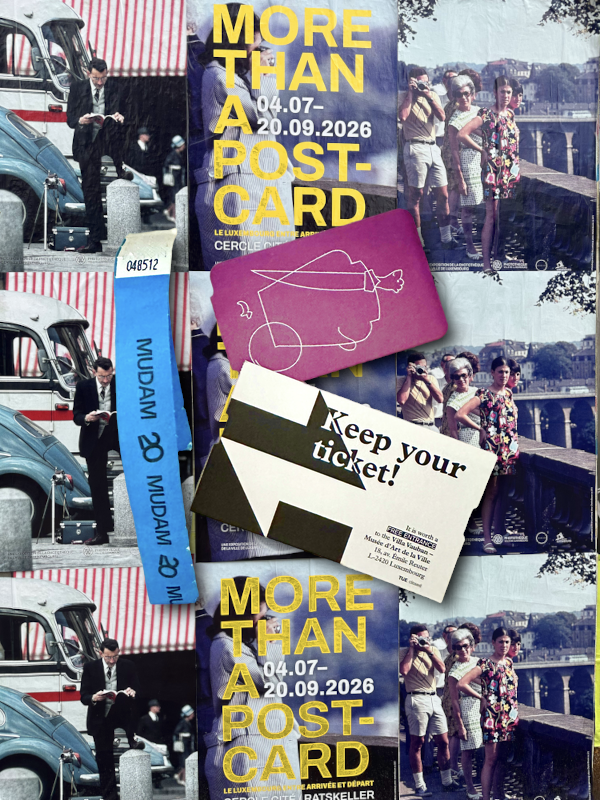
So, I got a Luxembourg Pass and spent eight hours visiting a traditional archeology museum, a lovely photo exhibition, an unsurprisingly ridiculous museum of modern art, and finally the impressively immersive museum of Luxembourg City history.
Unlike ‘tourism,’ this was a successful experience. By the end of the day, it felt like I had been watching a movie the whole time (that’s my immersion metric).
I will visit more museums. But I still stand by my initial judgement: museums would be unregrettably outdated if they can’t justify ‘physical proximity.’ You go to a museum and you can’t touch anything. So what makes it necessary when you can see the same object or piece of art online, from the comfort of your home? And if online and virtual museums are pushed forward and promoted as much as the concept deserves, you could rotate the object, inspect it from every angle, perhaps even ‘touch’ it, and at the same time watch a clip of the artefact being used or created, all through good 3D or XR interfaces.
So, if museums want to compete with this prospect and remain relevant, they have to invest in creating ever more immersive experience, taking advantage of physical space, and the few remaining modalities that hi-tech has yet to unlock on a commercial scale, like olfaction.
PS. The pictures at the photo exhibition were amazing, but my oh my, the captions were masterpiece of humor in their own right.
PS. Speaking of which: free virtual museum tours
June 2026
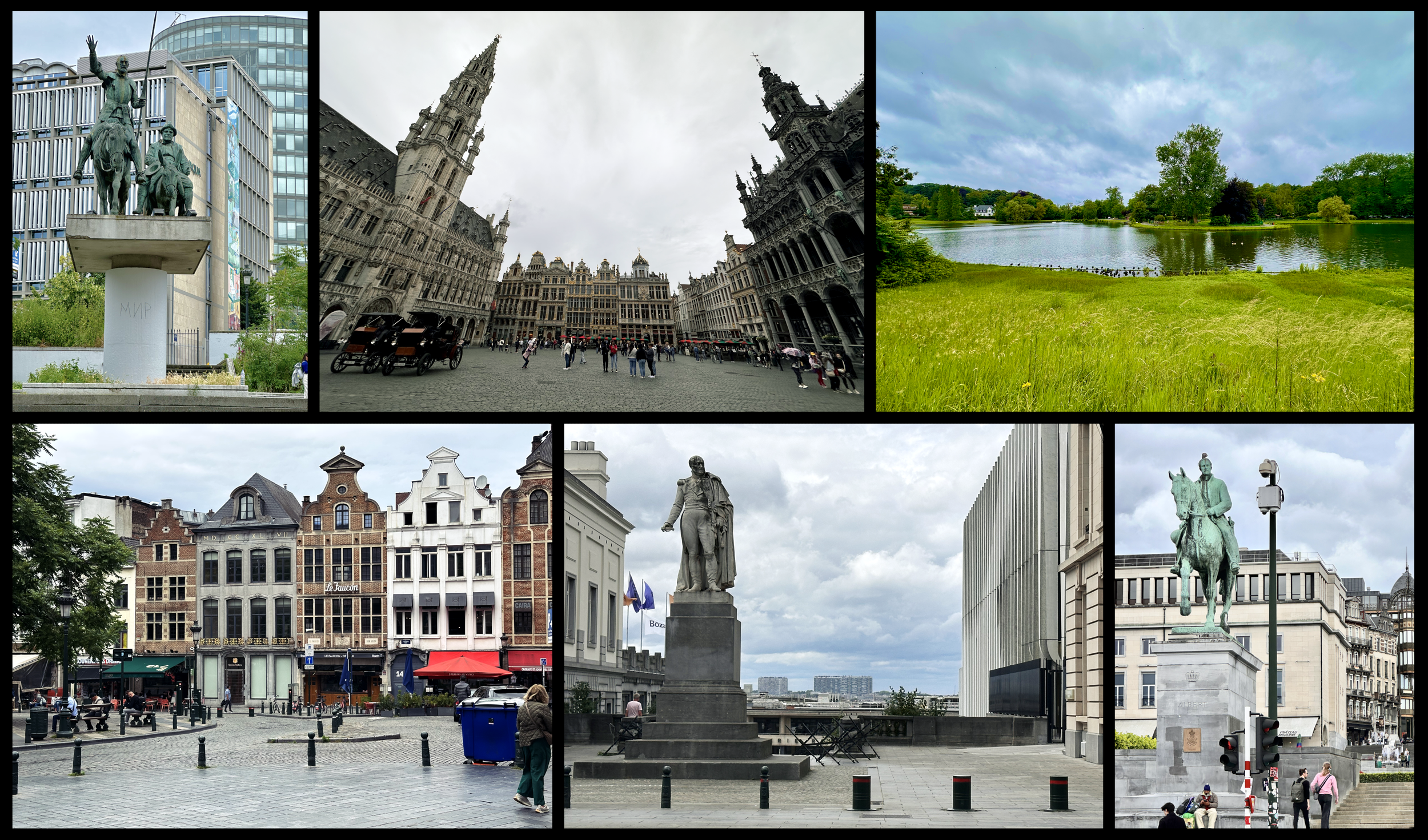
I visited Brussels.
Walked 28 kilometers and liked the city much better than Paris; there were fewer pigeons maimed, apparently, with human hair.
But I decided that this is the end of my “tourism” adventure. It's not for me, and my default settings were validated. I just wanted to give it a shot and be done with this FOMO thing.
I like moving around and experiencing living in different places; it is essential to my nature. But going somewhere just for a few days makes no sense to me.
PS. Next FOMO to deal with: visiting museums and galleries.
May 2026

For the very first time in my adult life, I traveled just for the sake of traveling.
It was not that far from home. Still the concept that I have no reason to be in Paris, and yet I am spending time and money to be there was/is wild regarding my lifestyle.
Anyway, I walked about 24 kilometers and visited a couple of speakeasies.
While the experience was mind-blowing for me, I found nothing really special about the city, except for the smell of urine and pigeons with missing toes.
PS. Didn’t expect Eiffel to be so rusty.
April 2026

This Happened.
I am now a doctor of philosophy in computer science. Weird shit.
March 2026
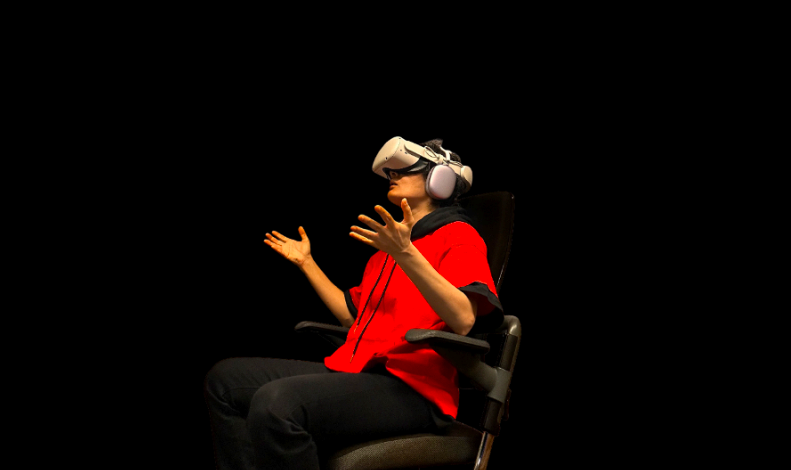
I am one very proud published author in the Journal of Imaginary Research, Volume 11.
My abstract, a research by Prof. Zula Mitty, is about shrinking books into 30-second multisensory experience in virtual reality.
February 2026
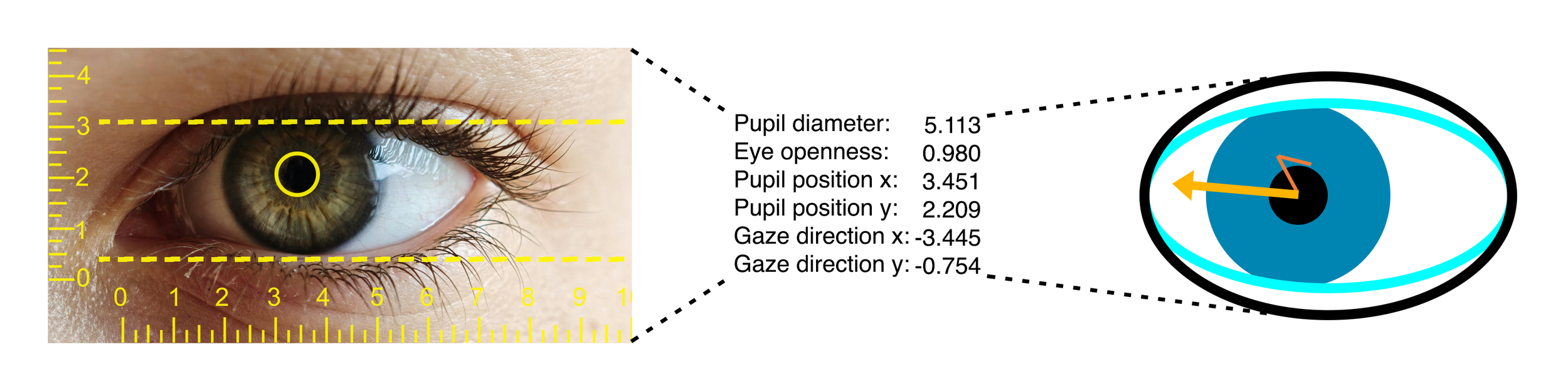
Spatio-Temporal Visualization of Eye-Tracking Data
Our paper, Spatio-Temporal Representation of Eye-Tracking Data for Cognitive Failure Detection in VR, has been accepted for presentation at the SHAPEXR Workshop, part of the 2026 ACM Conference on Intelligent User Interfaces (ACM IUI). This work will also be presented as a poster at the 2026 ACM CHI Conference on Human Factors in Computing Systems.
January 2026
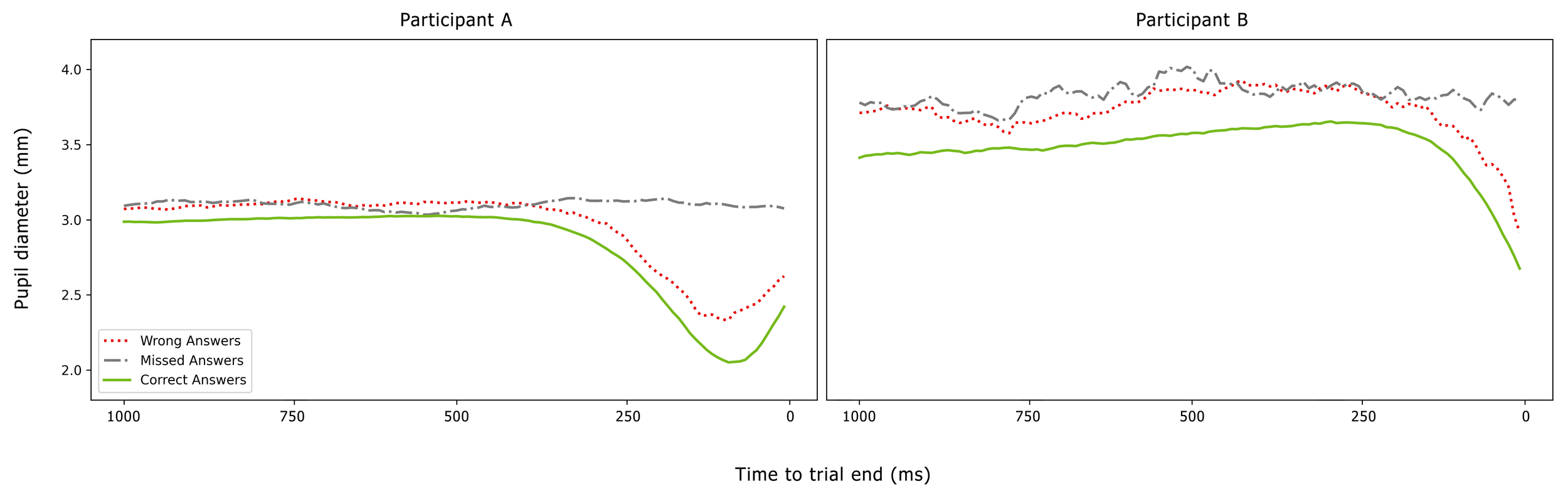
Oops’s and Oh’s
Our paper, Oopses and Ohs: An Eye-Tracking Study of Human Errors in Virtual Reality, has been accepted for presentation at the GEMINI Workshop, in the 33rd IEEE Conference on Virtual Reality and 3D User Interfaces (IEEE VR).
The dataset will be released soon.